
The Satvic Revolution : 7 Life Changing Step
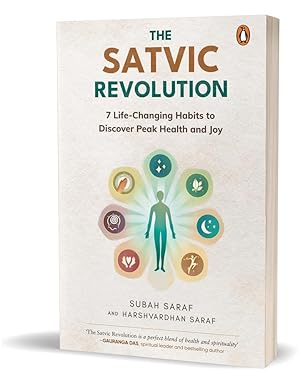
7 – life-changing habits include : establishing a consistent morning routine, engaging in daily exercise and mindful eating, practicing daily gratitude, setting and achieving small goals, fostering a digital detox, and prioritizing sufficient sleep and rest to improve overall well-being and effectiveness.
1-Clarify your why and create a compelling vision
Most life-changing changes start with a deep “why.” Clarifying what matters to you makes tough days easier and choices clearer.
Action: Spend 20 minutes writing your core values and one-sentence vision of the life you want in 1 year and 5 years.
Tip: Keep the vision specific
2 — Break the vision into micro-goals and habits
Big goals overwhelm. Break them into tiny, measurable habits you can do consistently.
Action: For each vision item, list three micro-habits that take 2–15 minutes (example: for more energy — 7-minute morning stretch, 10-minute walk after lunch, drink an extra glass of water).
Tip: Use the two-minute rule: if a habit can start in two minutes, it’s easier to begin and scale later.
3 — Prioritize sleep, movement, and nutrition
Physical foundations shape your energy and focus. Improve them first and everything else becomes easier.
Action: Pick one sleep habit (consistent wake time), one movement habit (20-minute walk 5x/week), and one nutrition swap (add a vegetable to one meal daily).
Tip: Track these for 30 days — momentum builds quickly when you see streaks accumulate.
4 — Declutter your environment and digital life
Your environment nudges your behavior. Remove friction for good habits and add friction for bad ones.
Action: Do a 30-minute room reset: clear surfaces, remove obvious distractions, set a home for important items. For digital: unsubscribe from five email lists and turn off non-essential notifications.
Tip: Make the cue for a good habit obvious — place your workout clothes or a filled water bottle where you’ll see it

5 — Learn deliberately and focus on one skill at a time
Lifelong change often comes from learning new ways to think and work. But spreading attention to too many skills stalls progress.
Action: Choose one high-impact skill (communication, time management, a technical skill). Create a 10–30 minute daily learning block and a weekly practice session.
Tip: Use “just-in-time” learning — learn the exact skill you need for the problem you’re solving this week. Pair learning with immediate small practice to cement the skill.
6 — Build supportive relationships and set boundaries
People shape habits. Surround yourself with encouragers and be honest about limits with others.
Action: Identify two people who support your growth and arrange a weekly check-in or accountability message. Practice saying a simple boundary phrase like, “I can’t right now; can we do this tomorrow?”
Tip: Accountability works best when it’s kind, specific, and regular — choose someone you trust and keep commitments small and trackable.
7 — Measure progress, reflect, and adapt
Reflection turns actions into insight. Measuring progress helps you learn what’s working and what needs change.
Action: Keep a one-sentence daily journal and a weekly 10-minute review. Ask: What worked? What didn’t? What will I adjust next week?
Tip: Celebrate small wins — progress fuels motivation. If something fails, treat it as data, not a verdict on your identity.
Common mistakes to avoid
People often try to change everything at once or rely solely on motivation. Avoid these mistakes:
Chasing perfection: small progress is sustainable; perfection is not.
Switching goals too quickly: give a habit at least 30 days before judging it.
Ignoring rest: hustle without rest leads to burnout and undermines long-term change.
FAQ — Quick answers
Q: How long before I see change? A: You’ll notice small shifts in 2–4 weeks and more visible results in 3 months.
Q: What if I fail? A: Failure is feedback — reduce the scope and try again.
Q: Can I change multiple areas at once? A: Start with one priority and add more once the first habit is stable.